Inspired Team
We invest at the frontier of deep tech, quantum computing, physical AI, and the compute infrastructure that will power the next decade of intelligence. Being that close to where AI is heading made us start asking a different question years ago, and it’s one we keep coming back to: in a world where intelligence, software, and even labor become abundant, how will people want to spend their time?
As we've debated this over the years, three things kept coming up: physical space, real human connection, and the trusted relationships and networks people build around both. These are the things that stay scarce while everything else gets cheap and plentiful in the age of AI. Think about the workout class you keep showing up to, not just for the workout, but because the instructor knows your name and the people next to you notice when you're gone. Or the pull of being in a stadium on the night of an important game, shoulder to shoulder with strangers who care about the same thing you do. Neither of those is really about the exercise or the score. People leaning into moments like that, on purpose, is what we mean by the experiential consumer.
The instinct might be that as AI and technology get more capable, people retreat further into convenience and automation. We're seeing the opposite. The more abundant intelligence gets, the more people seem to crave what it cannot manufacture: a specific place, a person you trust, and an experience that only you can have in a fleeting moment.
Why Now
1. Experience spend is outgrowing goods spend, and it looks structural rather than cyclical. McKinsey's State of the Consumer 2026 report treats this as a durable shift, not a discretionary indulgence. The global experiences market grew more than three times the rate of non-essential goods between 2023 and 2025.
Ask most people what they actually want more of in their life right now, and very few say more stuff. It's usually something closer to a night that actually felt good, a class, or a trip they're still thinking about a week later.
There's a real psychological reason for that. A new pair of shoes loses most of its emotional charge within weeks. Why? You adapt to it, and it fades into the background. A memory doesn't work that way; people tend to look back on experiences more fondly over time, even the inconvenient ones, while the shine wears off a purchase almost immediately. The spending data feels like it's catching up to something people intrinsically know.
2. Third places have been disappearing just as the need for them has grown. A 2025 study using Census tract-level data found a rapid decline in "third place" availability (defined as informal gathering spots outside of home and work) between 2019 and 2021, and losses were sharpest in socially vulnerable and rural communities.
At the same time, the share of Americans reporting no close friends rose from 12% in 2021 to 17% in 2024, according to AEI's Survey Center on American Life.
The response is already visible. 2026 has brought a deliberate rebuild of physical gathering spaces, be it run clubs, cold plunge and wellness clubs, or niche membership communities. This is the kind of thing researchers have started calling "friction-maxxing," a conscious rejection of frictionless, screen-mediated life in favor of real world, in-person friction.
3. Live and spectator experiences are commanding record prices and record capital. The clearest example is the 2026 FIFA World Cup: FIFA president Gianni Infantino confirmed the tournament's full 2023-2026 commercial cycle surpassed $15 billion in revenue, up more than 70% from the prior cycle, making it the most lucrative tournament in the sport's history.
Ticket demand is telling the same story closer to home. The average get-in price for the 2026 US Open climbed to roughly $311 in mid-August, up nearly 19% from about $262 at the same point in 2025, according to TicketData figures cited by Forbes, and resale prices for the finals went even further: seats that sold for $600 last year were listed at $2,400 this year.
Capital is following the same signal. For example, Josh Kushner and Bob Iger agreed to buy the Los Angeles Lakers for $12.5 billion, a record price for any sports franchise sale.
Consumers and capital both seem to be voting for real world, real time experience at a premium.
Where We See Opportunity
Physical experience isn't one category. It spans direct-to-consumer physical formats, the infrastructure underneath them, and the communities that form around them. Here are a few examples of ideas we’ve backed:
- Boutique fitness and wellness build some of the most loyal, obsessive communities in consumer. Arketa is the operating system for wellness businesses, handling booking, payments, marketing, and more for boutique studios. It's the infrastructure underpinning that wider movement. Studio owners talk to each other, so growth compounds through the same network effects that make the community itself sticky, and class-based formats have become one of the few social experiences people rely on to fight isolation and loneliness. Arketa is also riding the creator economy directly. Instructors with real followings are increasingly standing up their own studios rather than teaching for someone else, and Arketa becomes the default operating system when they do. You don't have to own the four walls to sit at the center of this shift.
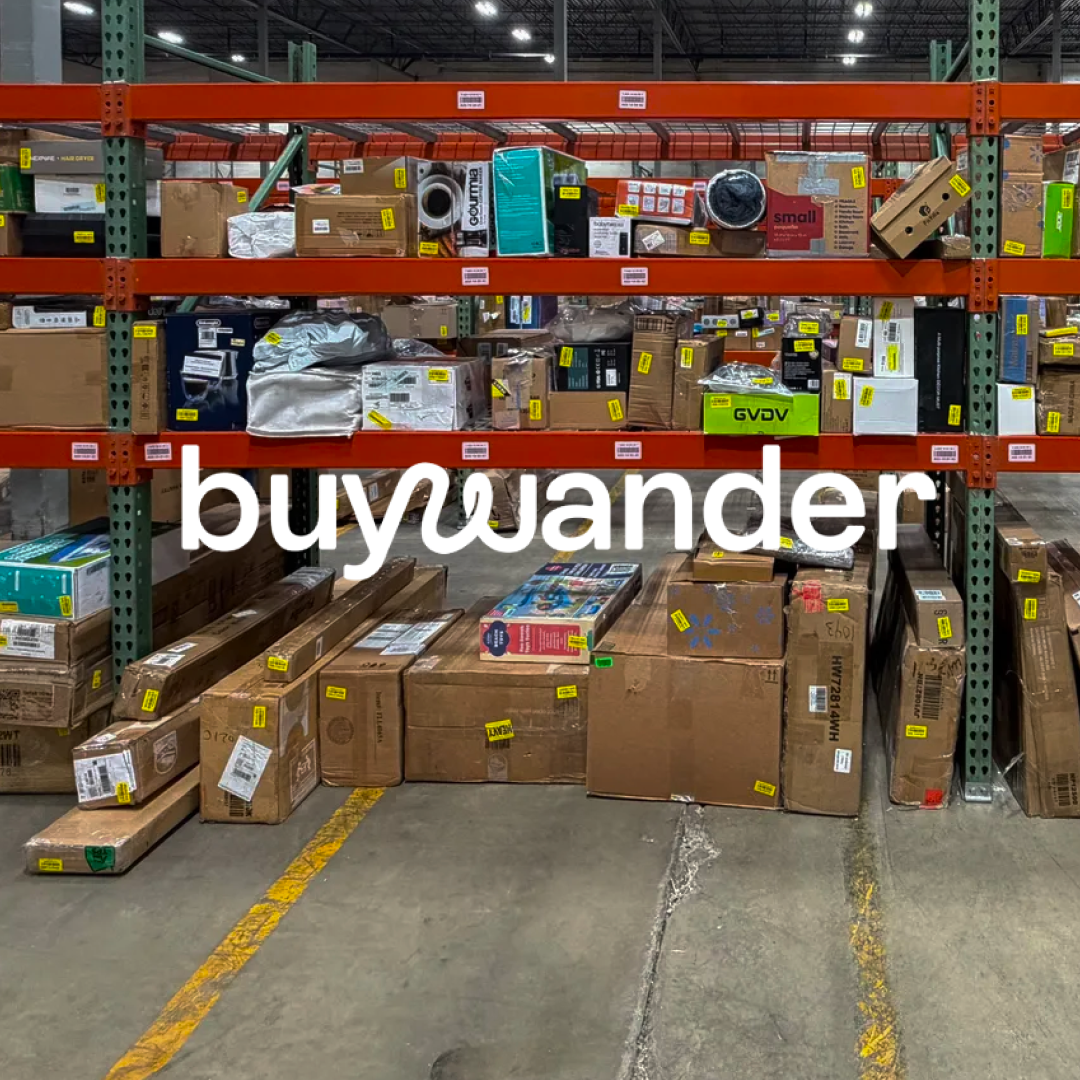
- Consumers want a good deal without the guesswork, but the experience is half of the value. Buywander buys excess returns from Amazon, Target, Home Depot, and other major retailers and resells them through a live online auction, with every item starting at $1 and customers picking up curbside at a local warehouse. It turns a warehouse pickup into an experience: bidding in real time, chasing a deal, and picking it up yourself, more like a treasure hunt than a transaction. It’s notably not a traditional four-wall retail format (and benefits from that in the business model), but it gives the consumer a unique experience. The bidding is the draw, not just the price, average users spend about 55 minutes per session, closer to how people engage with a game than a checkout flow, and repeat customers keep coming back to do it again. It's the direct-from-warehouse, no-middle-layer feeling, closer to how Costco or a treasure hunt at TJ Maxx feels than a typical storefront.
- Even something as simple as food is being rebuilt around this idea. Younger consumers are choosing where to eat and drink based on what they can't get anywhere else. 71% of Gen Z and millennial consumers say their favorite restaurant beverages offer a flavor experience they can't easily recreate at home, and restaurants are increasingly functioning as destinations for discovery rather than just meals, according to the National Restaurant Association's 2026 Beverage Trends report. That same generation is driving demand for global and unfamiliar flavors specifically; Gen Z is the most likely of any generation to seek out global cuisines, and it's part of why something like matcha has grown from a niche order into a global market worth over $4 billion. The product on the menu still matters, but increasingly it's the discovery of something you can't get anywhere else that gets someone to actually walk in the door. The market is already validating this. General Atlantic led a $75M investment in Blank Street, the coffee and matcha chain, at a $650M valuation, roughly a 30% jump from its 2025 valuation, pointing to growing investor interest in physical retail as AI reshapes software and digital business.
- Live sports have never been at more of a premium. People aren't just watching sports from home. They're showing up in-person. The WNBA broke its all-time attendance record this year. At the same time, entirely new leagues are forming around sports that never had a proper home before and dedicated leagues are being built from scratch to meet the demand. Teams and leagues also keep changing hands at record prices. The Lakers sold twice in two years, most recently for $12.5 billion, the largest sale in the sport's history. We're watching closely for the layer building up around sports as it scales into a much bigger business. Whether that is new ways for fans to invest in and engage with the sports they love, the technology and infrastructure that supports it, the brands and experiences being built around fandom itself, or the teams and leagues themselves.
Looking Ahead
We think this shift toward experience is only going to accelerate from here. As more of daily life gets automated or mediated by a screen, the businesses that win will be the ones that give people a reason to leave the house and be around other people, on purpose. Physical, in-person experience is one of the few things AI genuinely cannot commoditize, and we expect capital to keep chasing that.
This thesis is not a hedge against our conviction in AI, and it's not a bet against automation. It's the natural second half of it. Being close to where AI is heading is what got us asking, years ago, where people would lean in harder, and this is where that thinking has landed today. We want to back the founders building for that natural next effect. If you're building something in experiential consumer and leading this shift, we'd love to talk.